
Film Analysis
10 stories
-

Common Movie Themes and How Films Develop Them
Ever finish a film and wonder what it was really about? You’ll meet the same common themes in movies again and again: love, good vs. evil, survival, coming of age, sacrifice and revenge, each shown through character choices. This guide sits inside the wider film analysis series on how films build meaning. These figures come…
-
Film Analysis: A Practical Guide to Understanding Movies
Film analysis is how you turn “that scene felt tense” into a clear explanation of why. Ask what the film is doing and how: look at genre, camera, design, structure, conflict, sound and editing, then show how they work together. These figures come from the guides published by NDLA and the BGSU University Libraries. Guides…
-
Reading Symbolism in Film
If a scene feels like it means more than it shows, you may be asking what is symbolism in film. It is the use of symbols, such as objects or colors, to represent abstract ideas. This guide sits inside our film analysis series, where each piece teaches one practical way of reading a movie. The…
-

How to Analyze a Movie: A Step-by-Step Method
Staring at a film you loved and not sure what to say about it? Knowing how to analyze a movie means moving from “what happened” to “how and why”: watch twice, take notes on form, then argue a point. This guide is part of our wider series on film analysis, so you can keep building…
-
Mise-en-Scène Explained With Film Examples
You keep hearing the term in film talk and wonder what is mise en scene. In short, it is everything staged in front of the camera: sets, costumes, props, lighting and how actors move. This guide is part of our film analysis coverage, so it sticks to details you can spot on screen. These figures…
-

Three-Act Structure in Film, Explained
Trying to work out why movies seem to share one shape? The three act structure in film splits a story into a setup, a confrontation and a resolution, which is a beginning, a middle and an end you can learn to spot. This guide belongs to the film analysis section of the site, which looks…
-
Auteur Theory: When the Director Is the Author
You keep hearing a director called an “auteur” and wonder what is auteur theory. It’s the idea that a film’s director, not the studio or writer, is its true author, leaving a personal stamp across their work. This explainer belongs to the film analysis series, where each piece shows you how to read a movie…
-
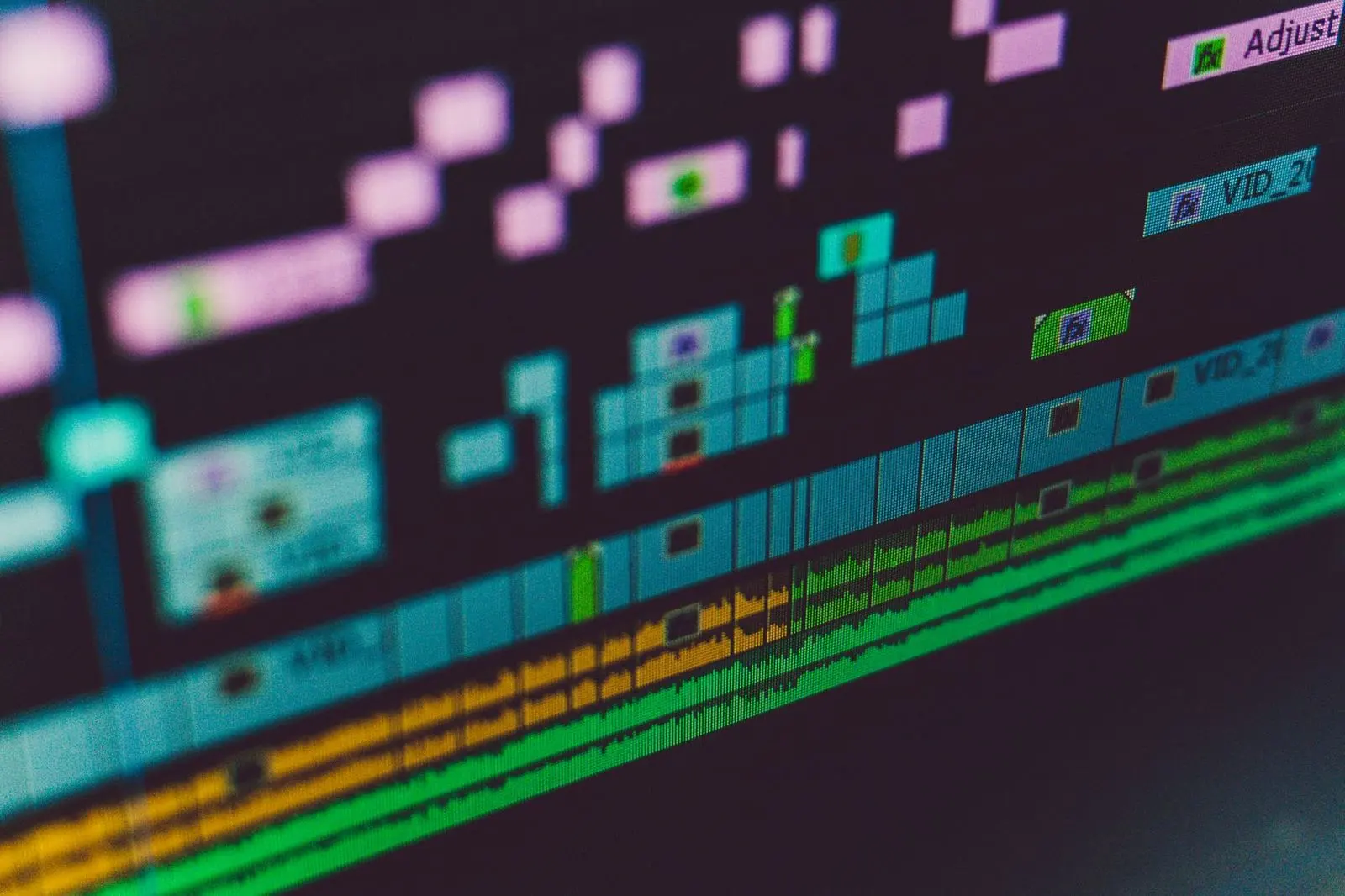
Film Editing Techniques and How They Affect a Story
Ever finished a movie and wondered why it felt so tense or so slow? If you’re asking what is film editing, it’s choosing shots and assembling them to control pace, space and emotion. This guide is part of the site’s film analysis series on the craft choices behind what you see on screen. These figures…
-
How Color Shapes Meaning in Film
Wondering why a film’s red or blue sticks with you? Color symbolism in film is a filmmaker’s deliberate use of color to carry mood, theme and character, often before you consciously notice it. For the wider picture, browse our film analysis guides, where color sits beside framing, sound and structure. These figures come from StudioBinder’s…
-
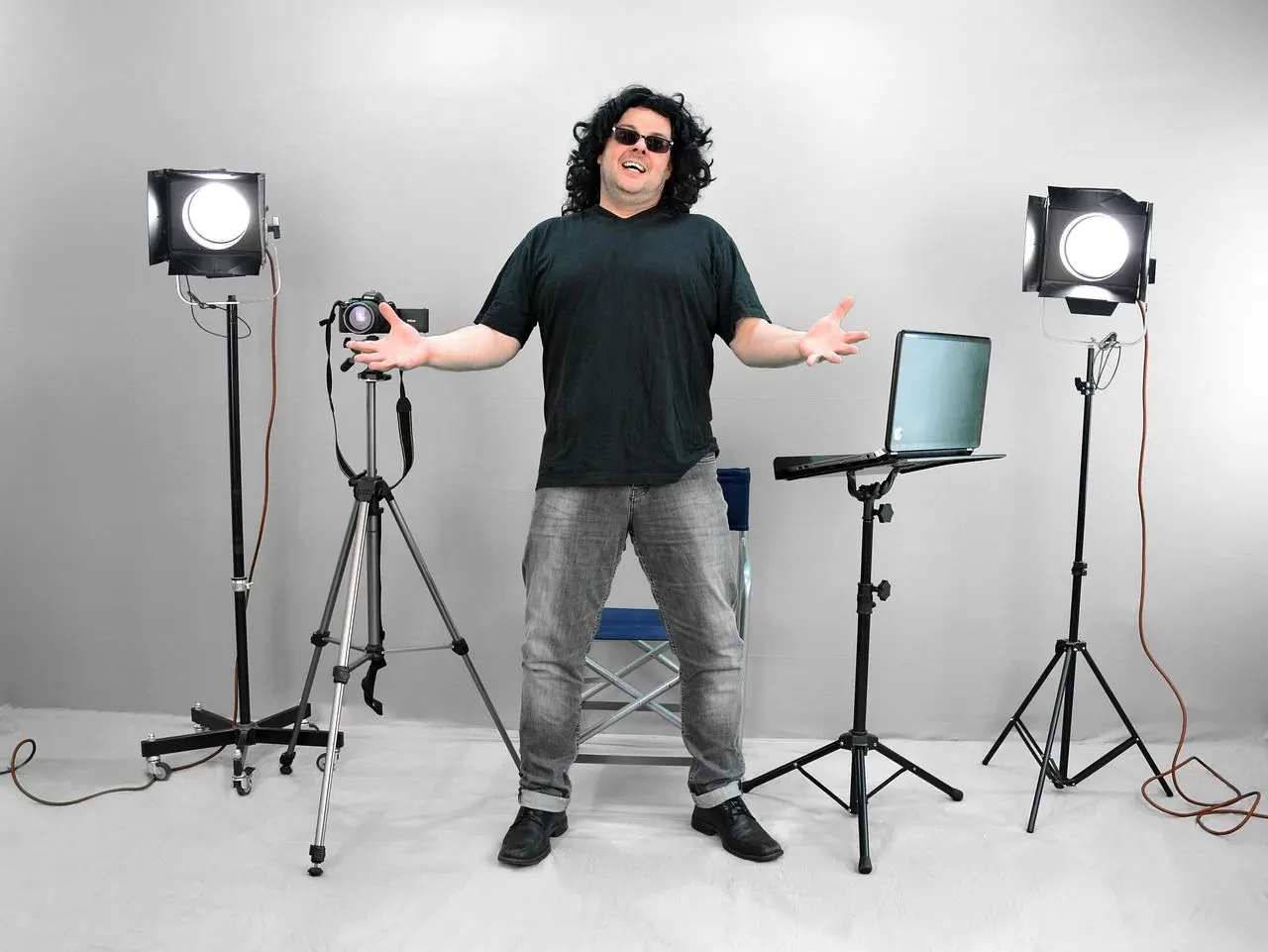
Types of Camera Shots and What They Convey
Not sure which of the types of camera shots you’re looking at in a scene? Shot size is the key: it sets how much of the subject and setting fills the frame, and that shapes what a scene stresses. This guide sits within our film analysis series, and it gives you a working vocabulary for…